
Sustainability and conscious production drivePontex Researchand Development for the coming Spring Summer 2023 season. The goal? To reduce the environmental impact as indicated by Goal 12 of the 2030 Agenda “Responsible Consumption and Production”.
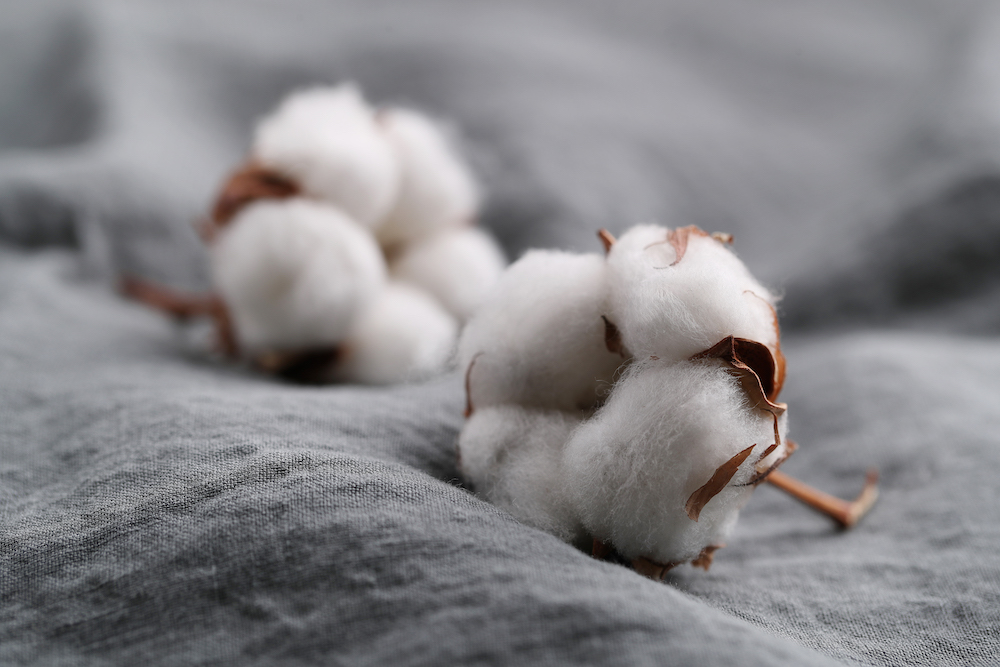
The Pontex approach isenvironmentally friendly and therefore oriented towards the use of sustainable raw materials and natural dyes and colourings.
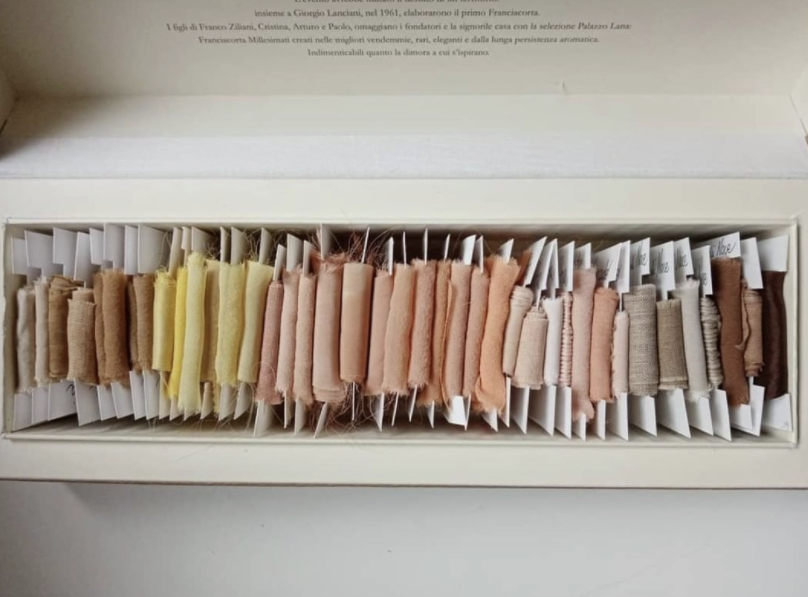
We are working on clothing fabrics in dialogue between sustainability and creation: we have decided to further increase the use of sustainable raw materials such as organic cotton, hemp, bamboo, linen, tencel, proposing colour palettes with natural dyes obtained from beetroot, red cabbage, walnut husk, turmeric, golden onion.
Shades inspired by earth and vegetable colours, for a nature observed through a microscope, delicate colours that combine performance and naturalness.
SUSTAINABLE RAW MATERIALS
The forthcoming PE 23 Pontex Collection includes the use of one hundred per cent vegetable and natural fibres, of linens combined with cottons, of linen blends in light weights for shirts and casual fabrics but also for sports fabrics.
Hemp, organic cottons, linens and man-made fibres such as tencel to produce light and strong clothing fabrics, to consume less material while guaranteeing longer lasting performance.
Organic cotton
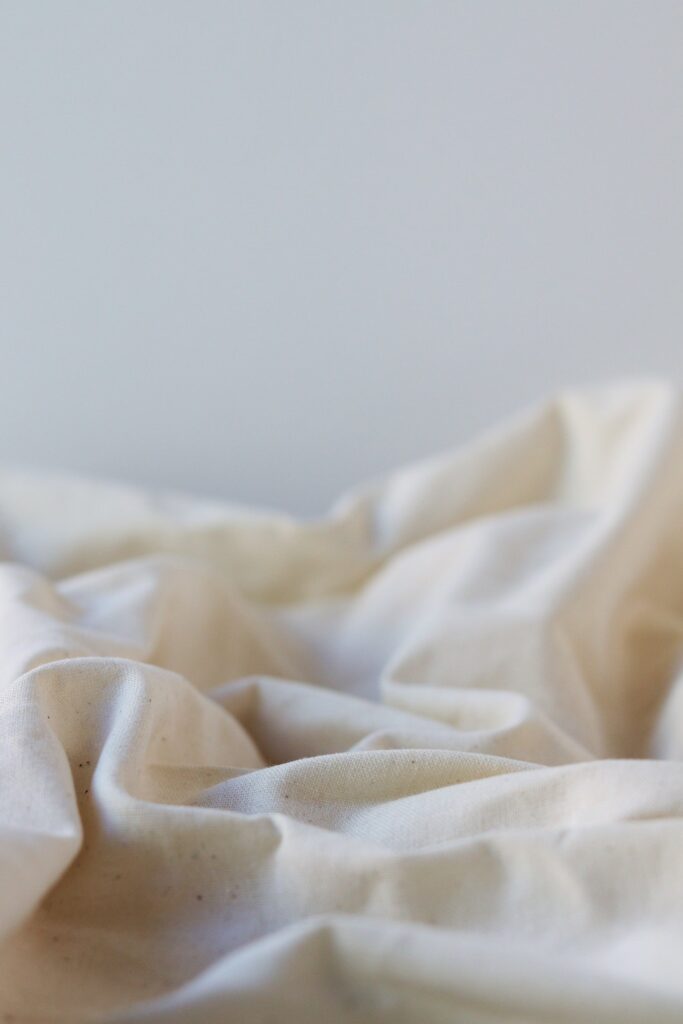
Soft and natural, organic cotton makes it possible to produce clothing fabrics that are anti-allergenic, non-irritating and give a pleasant feel because they are softer and more breathable than traditional cotton.
Organic cotton is a more sustainable choice than traditional cotton because it is produced without using pesticides or fertilisers and also reduces water consumption.
Hemp
Hemp is a natural textile fibre, which is extracted from the plant of the same name. According to a study carried out by the University of Cambridge, hemp is ‘more efficient than forests, as it is able to capture atmospheric carbon twice as much as major ecosystems,’ the study’s author, Darshil Shah, told the Danish magazine Dazeen.
Hemp can be used to make environmentally friendly clothing fabrics because the plant from which it originates grows wild and does not require pesticides, herbicides and fertilisers during cultivation. This means that the fabric made from it is healthy and does not cause irritation in contact with the skin.
Hemp is highly insulating, thus protecting against heat and making it an ideal fabric for spring and summer clothing.
Lino
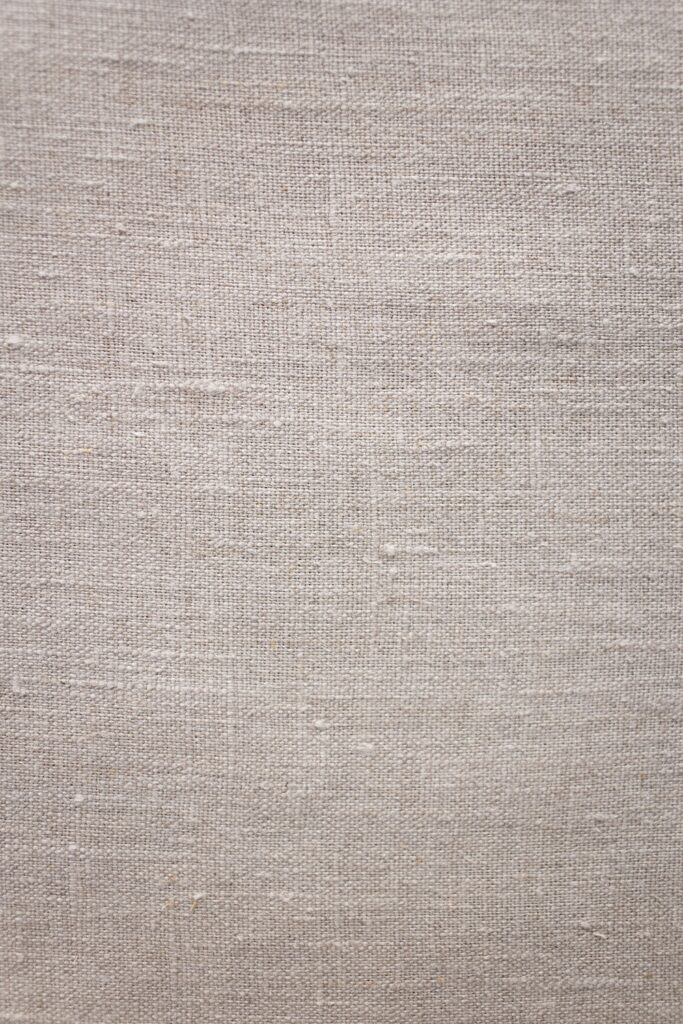
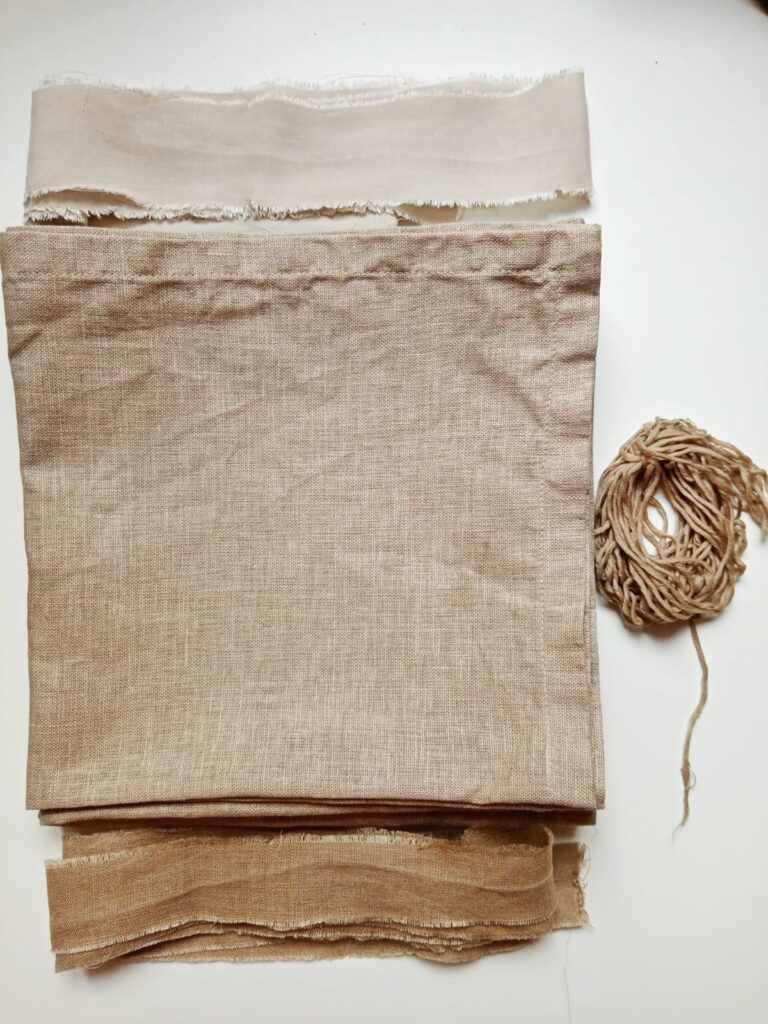
Linen is the world’s oldest fibre, a sustainable fabric with a very low environmental footprint, like hemp, whose original plant does not require large amounts of water or chemicals. Linen fibres are also very strong and lustrous and produce fresh and absorbent fabrics, ideal for the spring and summer season.
Bamboo
Bamboo is an ecological artificial fibre of natural origin extracted from the plant of the same name; it is an ecological fabric because the plant from which it is obtained grows spontaneously, avoiding the waste of water resources. Bamboo fabric is breathable and suitable for contact with the skin; it is breathable, antibacterial and has a great capacity to absorb moisture.
A garment made from bamboo fabric is soft on the skin, gentle and prevents redness and irritation.
Tencel
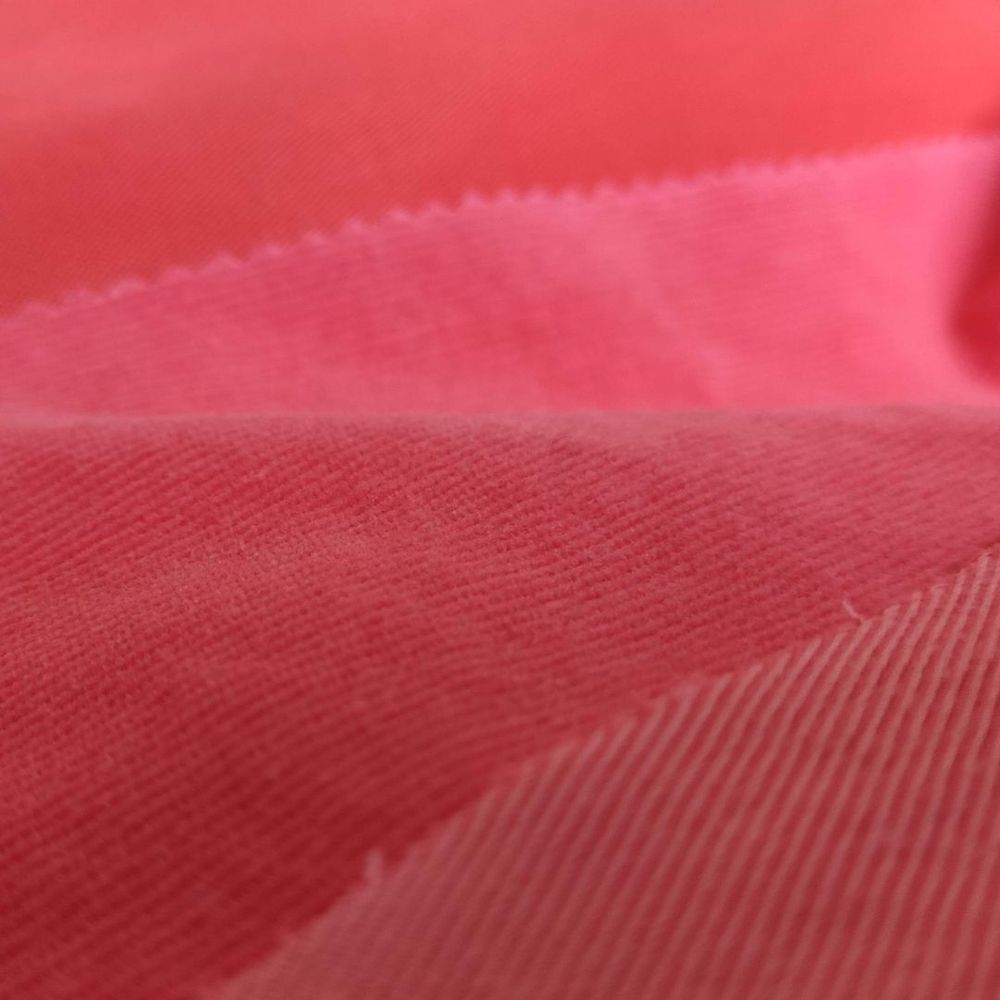
Tencel fibre has a natural structure, extracted from cellulose from sustainably managed eucalyptus trees.
Tencel makes it possible to produce clothing fabrics that are smooth and soft on the skin, durable and breathable because the eucalyptus wood from which it is made has the advantage of naturally absorbing moisture. Washing and drying require no special care, and Tencel does not need to be ironed.
NATURAL DYES
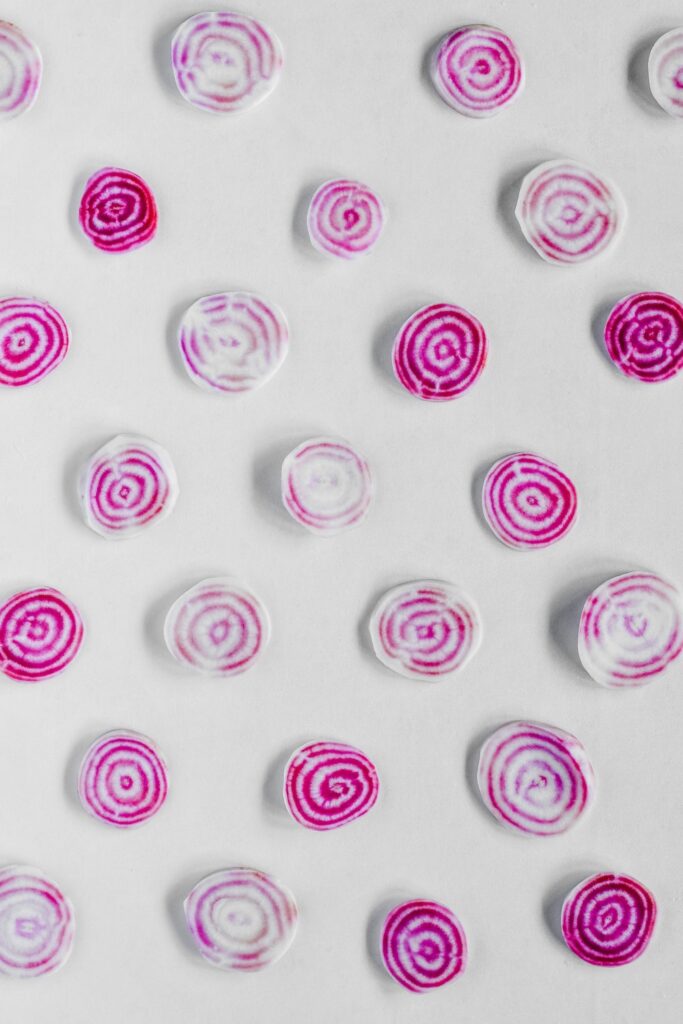
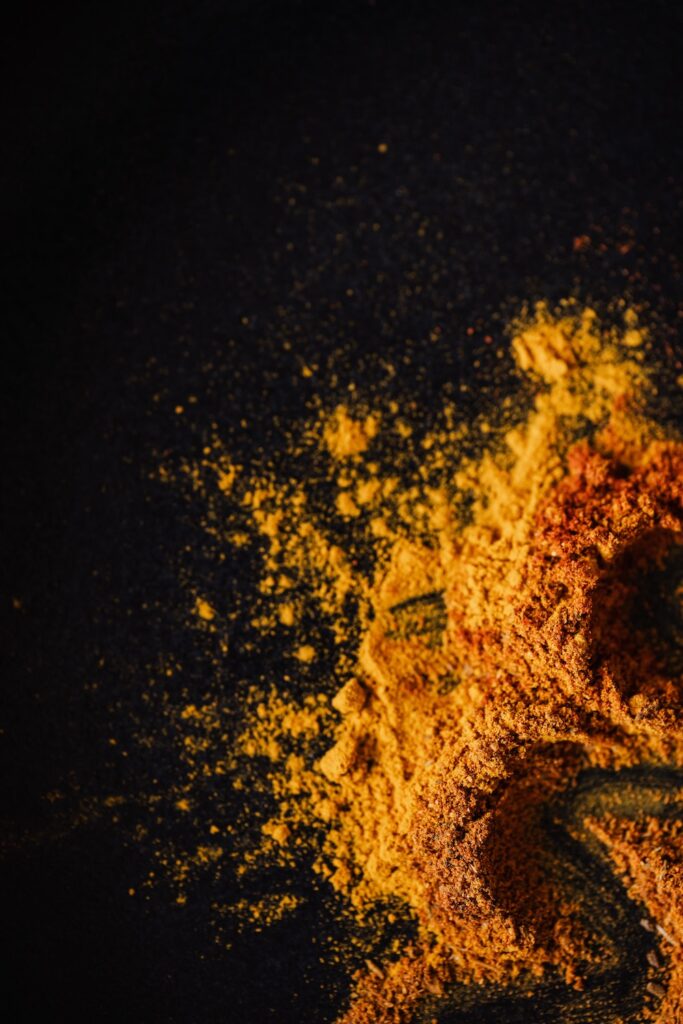
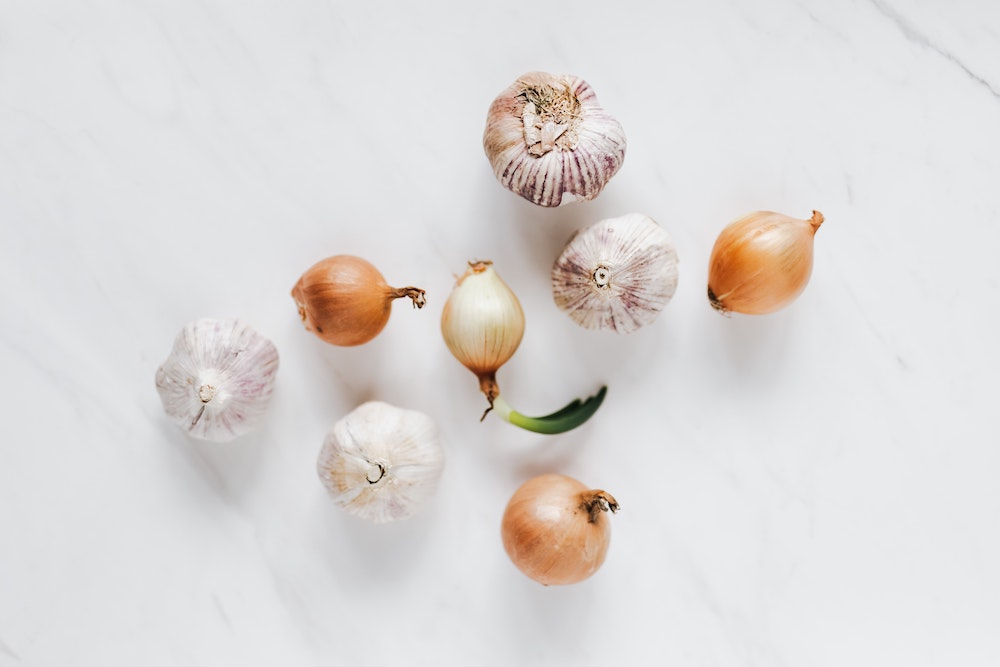
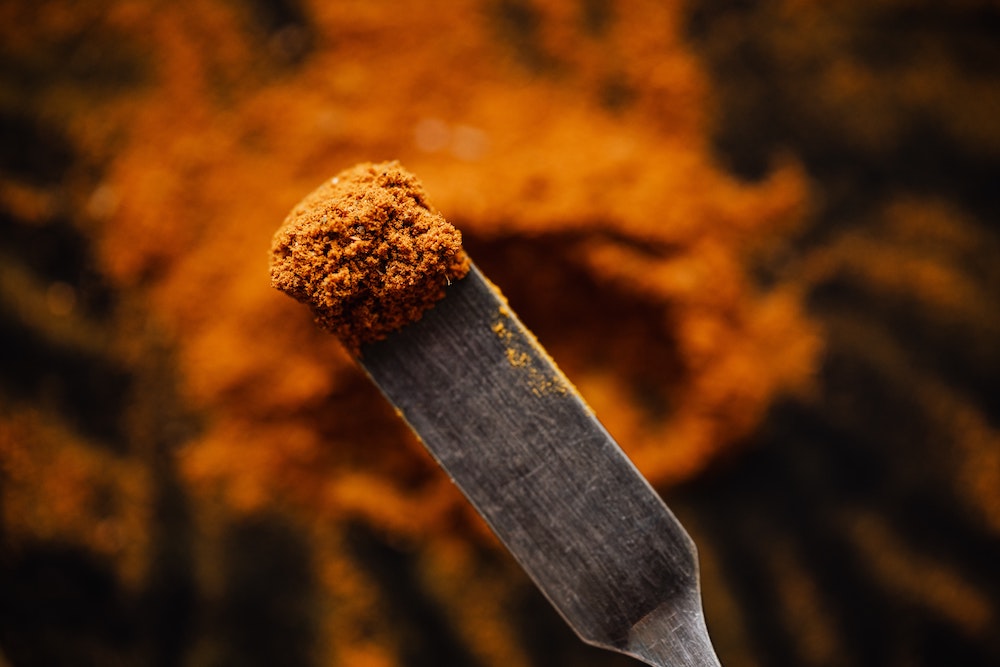
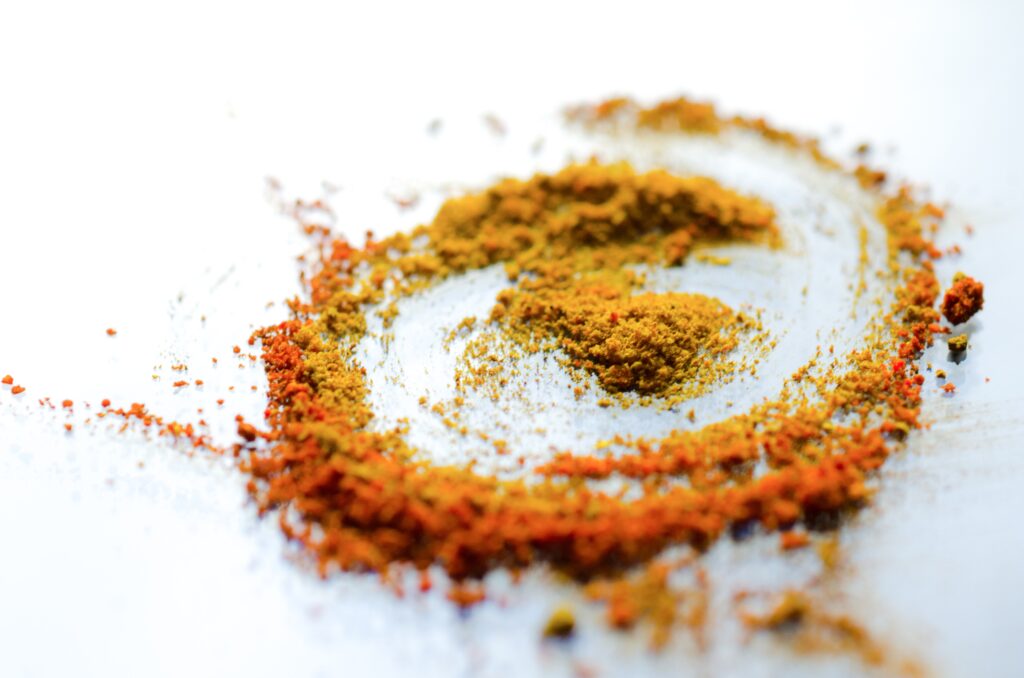
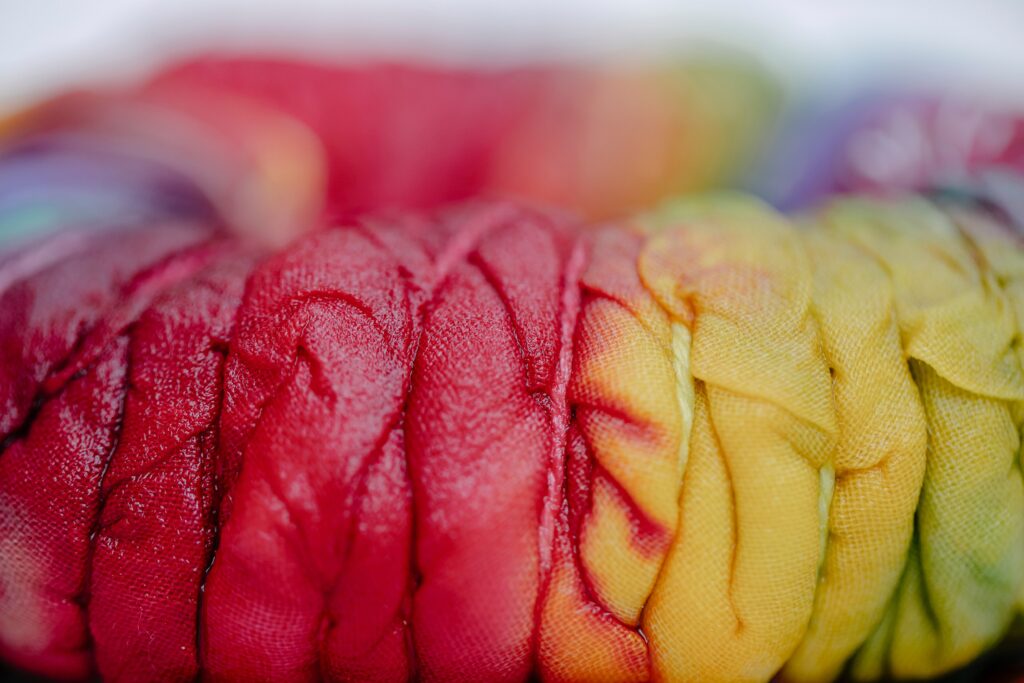
For the next Pontex Spring Summer 2023 Collection, sustainable raw materials are being studied to create natural clothing fabrics, to be worn in their naturalness or combined with dense, coloured shades. We have allowed ourselves to be inspired and “moved” by the chromatic richness that nature brings us, to obtain pigmentations and colour shades using natural dyes obtained from Beetroot Cabbage, Red Cabbage, Walnut Hull, Turmeric, Golden Onion.