
Turmeric as a natural dye for linen, an all-natural fabric that marries the eco-friendly and sustainable approach of Pontex Collections to produce in the most environmentally friendly way
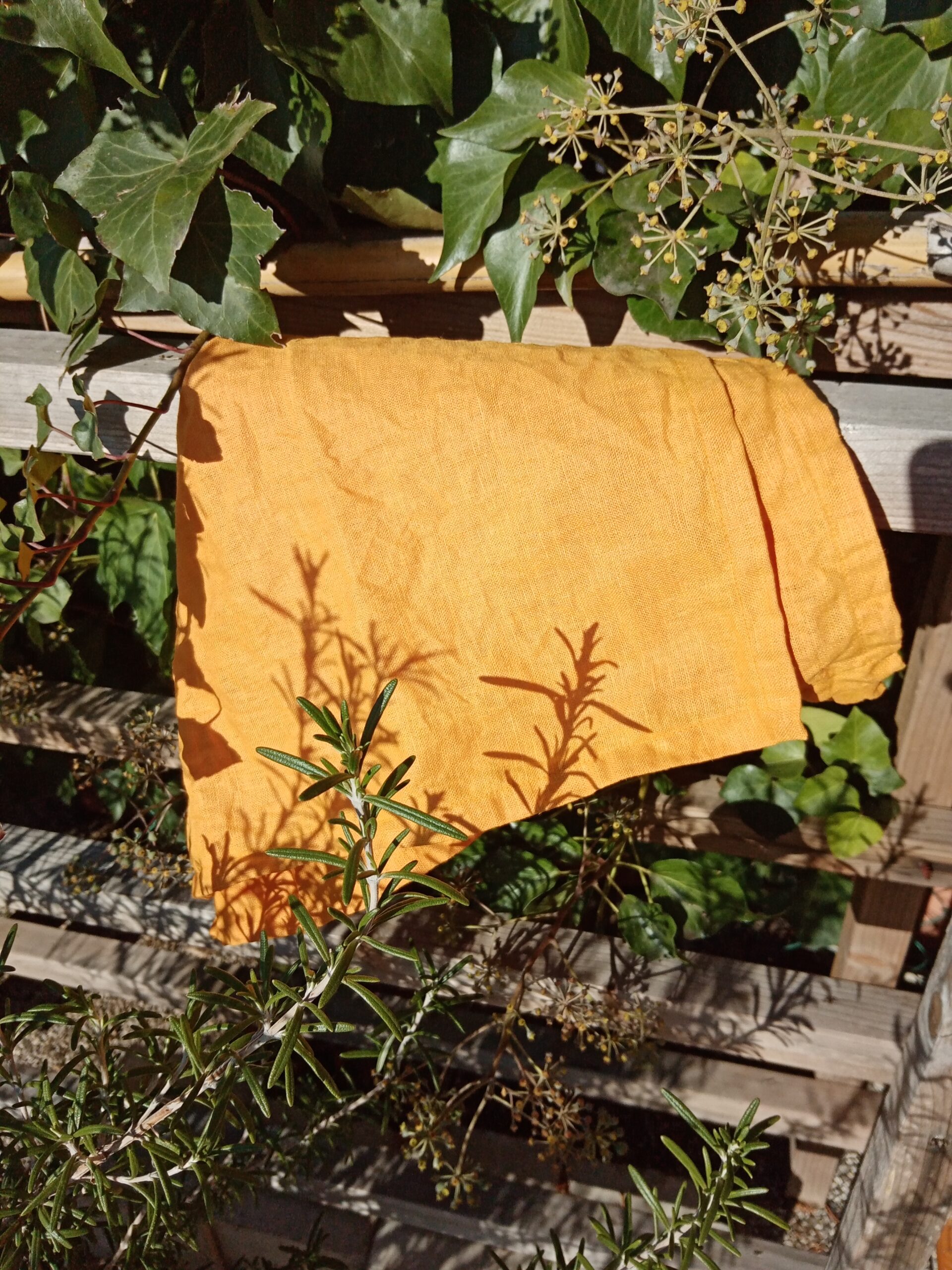
Put linen and turmeric together and you get beautiful shades of colour ranging from light yellow to darker and denser. This is the proposal of Elena Galavotti Studio, who chose our linen fabrics for her beautiful work.
Why flax?
Linen is one of the highlights of the Pontex Collections: it is a plant fibre that is up to every complex creative challenge and is able to combine naturalness and aesthetic sense.
This is why designers particularly appreciate it: it is the ‘right’ choice for an eco-friendly wardrobe of garments made from sustainable clothing fabrics.
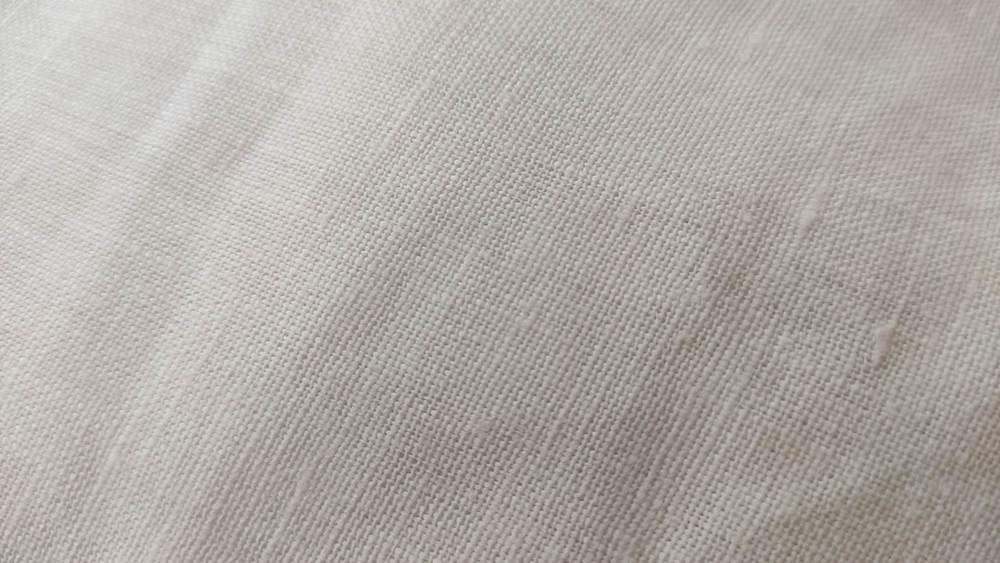
Linen is the oldest fibre in the world, is a sustainable fabric and has a very low environmental footprint: its plant of origin does not require large amounts of water or chemicals. Linen fibres are also very strong and lustrous, producing fresh and absorbent fabrics, ideal for spring and summer, in clothing as well as in upholstery fabrics.
Why natural dyes?
Natural dyeing is a very old, ecological and creative art: using natural pigments that come from the environment, such as turmeric, it is possible to obtain ‘unique pieces’ by virtue of the nuances that this natural dye gives and that also depend on the characteristics of the fabric that absorbs it.
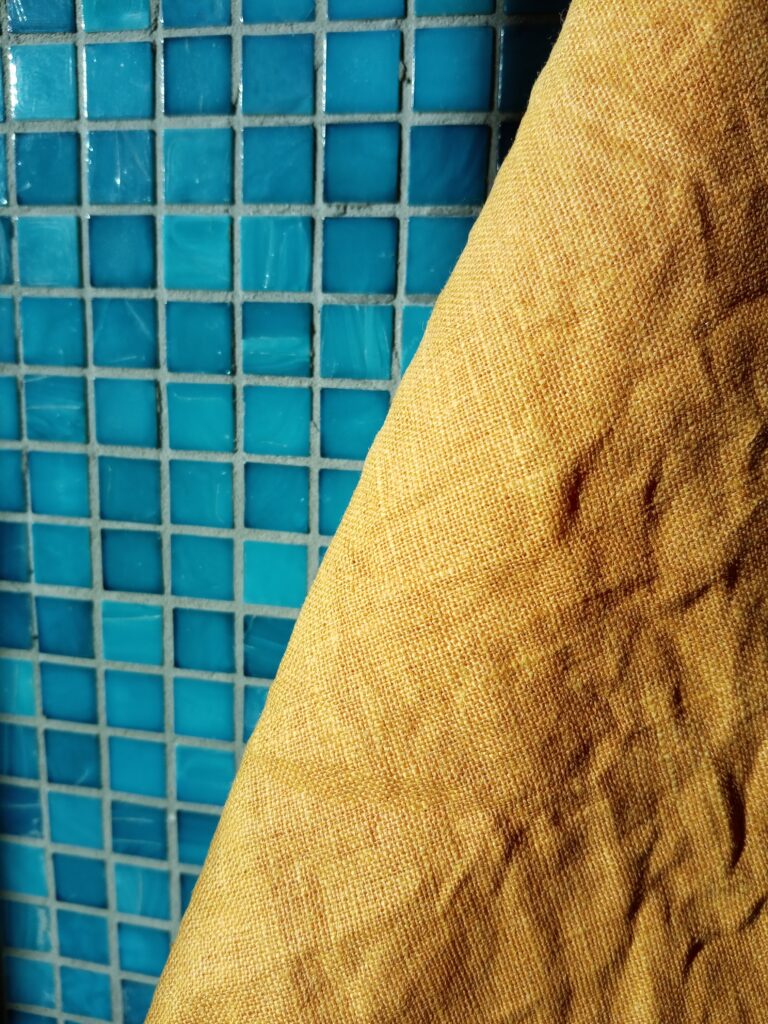
With natural dyeing, it is impossible to guarantee the exact reproducibility of the colour and this can be a strength for the fabric being defined.
ph. Elena Galavotti

Turmeric in particular gives a colour ranging from light to very intense yellow, perfect for dyeing clothes or even home textiles for the summer.
Linen ribbons dyed naturally with turmeric. ph. Elena Galavotti
‘With the same material and the same colour bath, changing only the temperature of the bath and the immersion time, various shades can be obtained. For a bright yellow, 10 to 20 minutes in a lukewarm turmeric bath is enough, while for an intense orange, the fabric must be simmered in the colour for at least 30 minutes’.
Elena Galavotti
From an aesthetic point of view, dyes with natural dyes allow for beautiful colours that are very different from those obtained with synthetic dyes: they are never completely saturated, they maintain a ‘veiled transparency’ that lends depth to the colour, and they always combine harmoniously with each other.