
When it comes to fabrics for clothing, quality is not a detail but the very essence of the product
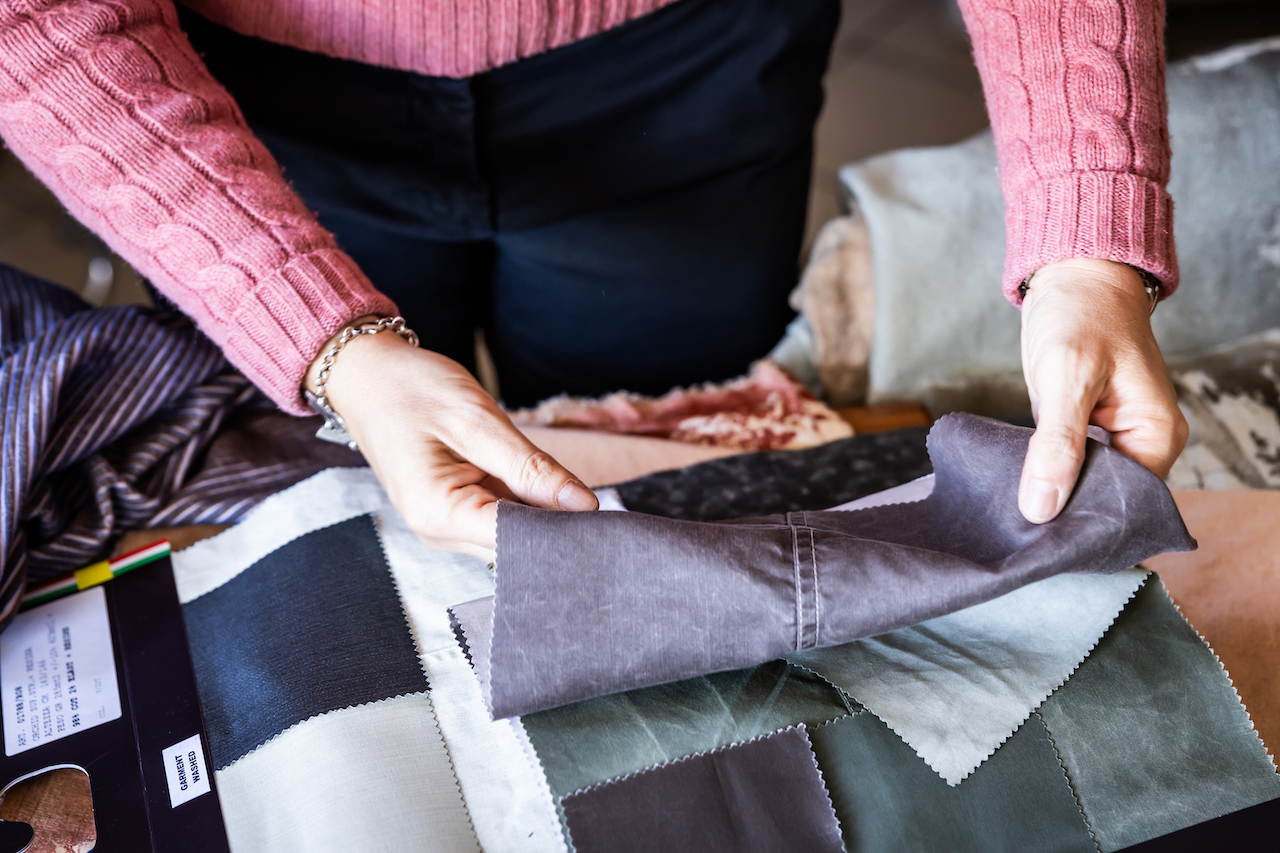
A quality fabric is a fabric that lasts, that withstands washing, wear, tear and all types of finishing, that absorbs colour and dye in the best possible way, and that lends itself to the creation of unique garments.
What does quality control in textiles mean?

Textiles is a very complex sector involving different stages in the production process, from the selection of raw materials to the processing of fabrics and
final garment manufacturing. Quality control is used to check that the fabric meets pre-established standards before being transformed into garment.
This process serves a dual purpose:
- detecting and preventing defects:
identifying any irregularities in texture, weave, or color at an early stage; - ensuring fabric performance: high standards of durability, color fastness (to washing and light), and dimensional stability.
The key stages of quality control
The verification process focuses on these aspects:
- raw material: checking the quality and uniformity of the fibres. In the case of sustainable raw material, compliance with traceability criteria and compliance with important certifications such as the GOTS (Global Organic Textile Standard), the most important standard for sustainable textile production;
- weaving: the ‘raw’ fabric is inspected to detect any inherent yarn irregularities right from the start;
- ennobling (dyeing and finishing): this is the most delicate phase, tests are carried out to measure the colour fastness to washing and light, the uniformity of the dyeing is checked and special treatments (such as finishing or resin-coating) are correctly applied;
- final inspection: before shipping to the client, every meter of fabric undergoes a meticulous machine inspection on a “specula” (fabric inspection table) for a final review, identifying and marking any residual defects to guarantee total transparency.


Health and the environment: preventing risks
The textile industry is a major source of water pollution, mainly due to the high quantities of discharged water containing dyes and finishing agents.
Effective control requires a company to purify wastewater before it is released into the environment. Furthermore, key certifications—such as GOTS, BCI, OCS, and GRS—demand a demonstrated commitment to responsible waste management and the adoption of sustainable production practices, including the efficient use of water and energy. At Pontex, we integrate these ethical and aesthetic values into our mission, focusing on research and development to create durable, high-quality fabrics.
Photo by Thirdman

In conclusion, a timely and rigorous quality control process identifies defects in the early stages of production. This approach reduces the waste of materials and resources, minimizes the need for reworking, and optimizes the entire manufacturing process—ensuring that our unique, high-performance fabrics reach our clients with maximum efficiency.
Quality control Made in Pontex
At Pontex, all apparel fabrics are conceived and developed within our internal Style Office and undergo rigorous quality control testing. This ensures that every fabric is perfectly suited for the creation of high-end garments.
Our quality control spans the entire production chain—from the initial selection of raw materials to the final fabric finishing—to guarantee an impeccable product defined by maximum quality and durability. For our 100% Made in Italy fabrics, we guarantee total traceability of raw materials, which are produced and processed exclusively at spinning and weaving mills in Italy or Europe.


At Pontex, quality control is one of our core strengths. It translates our corporate mission of sustainability and innovation into truly unique and precious fabrics. Ultimately, it represents a total guarantee of reliability—the reason our fabrics consistently maintain their high aesthetic and functional value, season after season.
Discover the Pontex Collections and the certified quality that has made the difference since 1972