
Discover why our durable and sustainable B2B fabrics are the winning choice for your collection. Pontex: two generations of commitment to raw materials and finishing for quality textiles
In an era dominated by fast fashion, which pushes disposable consumption, it is essential to understand why a garment made from durable and sustainable fabrics that resist time, wear and washing, is an ethical choice and a concrete gesture in favour of the environment and respecting the traceability of the supply chain.
In this article, we explain why it is important to choose sustainable, durable B2B fabrics.

Durable fabrics = sustainable fabrics
The concept is simple: if a garment lasts a long time, there is no need to replace it often and this drastically reduces the impact of fashion on environment.
In fact, the textile industry is one of the most polluting on the planet: it uses a lot of raw materials and water, while less than 1% of material is recycled. The fast fashion model exacerbates consequences, overproducing and generating a huge amount of textile waste that ends up in landfills or is incinerated.

Through ‘fast fashion’, the amount of clothing produced and thrown away has increased exponentially. By 2024, discarded and thrown-away clothing globally reached 120 million tonnes: 80% ended up in landfills or incinerators, only 12% was reused, and less than 1% was recycled into new textile fibres (source: Boston Consulting Group BGC report).
To counteract the wasteful trend, it is therefore very important to invest in durable fabrics:
- Less waste and countering the throwaway culture: fast fashion relies on fast production cycles and low prices, encouraging consumers to buy often and throw away clothes after only a few uses. Durable fabrics promote an opposite approach, valuing quality, ethics and the longevity of products. Choosing a durable, high-quality fabric means that that garment will remain in our wardrobe for years, breaking the vicious and harmful cycle of‘buy, use, throw away‘.
- Less resources and more resistance: the inherent durability of the fabric reduces the need for a new production cycle, preserving the planet. High quality fabrics such as linen, cotton, silk, viscose, velvet, tencel, modal, resist washing better, also reducing the release of microplastics into the water, a major problem for low quality synthetic fabrics.
- Incentive to repair and care: garments made of durable fabrics are more likely to be repaired and cared for, rather than replaced, promoting a circular economy in which product life is extended as much as possible.
What does durable, quality fabric mean?
A quality fabric for clothing is one that is long-lasting and naturally resilient, without the need to add harmful chemicals to increase its durability and hold.
The same can be said for finishing and customisation processes: a high-quality fabric is one that resists dyeing and finishing well.
In the world of fast fashion, on the other hand, in order to make synthetic fabrics cheaper, more resistant to creases and stains or simply to fix colour quickly, chemicals are often used that are potentially harmful to the health of the wearer, the workers and the environment. For example: formaldehyde, azo dyes, phthalates, perfluorinated compounds, heavy metals.
Which fabrics are the most sustainable?

The sustainability of a fabric depends on many factors: the origin of the fibre, the manufacturing process, the final durability and its end-of-life (whether it is biodegradable or recyclable). The most sustainable fabrics are those that reduce environmental impact on water, land and energy. Here are those materials generally considered the most virtuous:
- Linen: a natural fibre, 100% biodegradable, environmentally friendly and recyclable, known for its durability and breathability. A linen garment, if well preserved, can last for many years.
- Organic cotton: even more sustainable than conventional cotton, it is produced without the use of pesticides or fertilisers and reduces water consumption.
- Tencel: an artificial fibre of vegetable origin known for its softness, crease resistance and ability to absorb dye well. It is produced in a closed-loop production process with low environmental impact, as almost all solvents and water are recovered and reused. It is completely biodegradable.
- Modal: a cellulose fibre, often used in composition to increase strength and wearability. It uses a closed loop system, which is why it is an environmentally friendly option.
- Hemp: an excellent alternative to traditional cotton. It is a very tear-resistant and durable fibre, grows quickly, can be grown in inferior soils and does not need pesticides.
- Ramiè: it is a fibre extracted from horticaceous plants, its cultivation is environmentally sustainable as it grows naturally and extraction is mainly mechanical, thus reducing the use of toxic chemicals.
- Cupro: it is a regenerated, non-synthetic, man-made fibre often obtained by a closed-loop process (thus reusing over 99% of chemical solvents and water) to drastically reduce environmental impact and pollution. It is biodegradable and 100% recyclable.
The Pontex choice: natural fibres and sustainable finishes
Since 1972, we have been producing only and exclusively high-quality, durable, unique fabrics.
We have a strong focus on sustainability to contribute to the EU strategy for sustainable and circular fabrics.
The use of high-quality, sustainable fibres such as linen, cotton and organic cotton, tencel, modal, hemp, ramie and cupro ensures that the fabric is strong from the start. And this means it has high performance in terms of durability, wearability and also environmental friendliness.
Natural fabrics from Pontex Collections

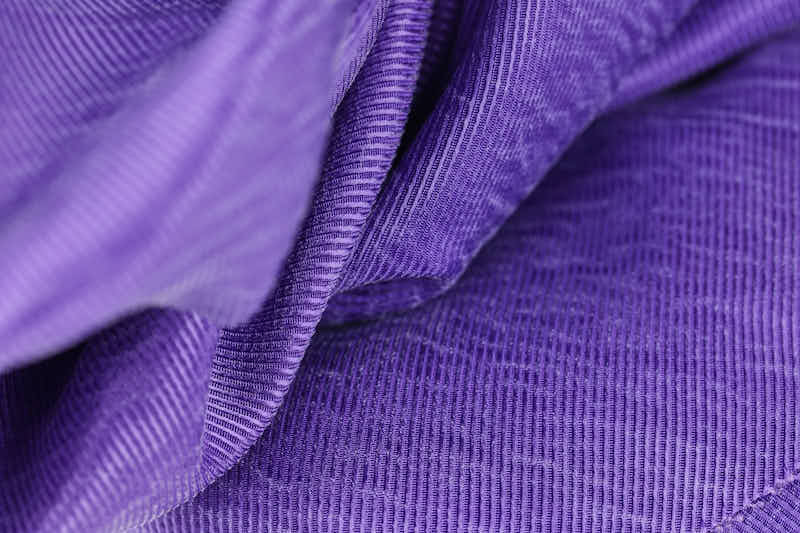


For sustainable fabric capsules , we use natural finishes and resins (such as bio-based resins) and promote the use of all-natural dyes. Through these processes, the ‘raw’ fabric is transformed into a unique and valuable product.
Finishes, resins and natural dyes in Pontex Collections


This capacity proves that the raw material is robust and of a high standard: only a quality fabric can withstand finishing and dyeing treatments that make it unique, without degrading. This is why it is also sustainable, as it is destined to remain in your wardrobe for a long time.
Sustainability Certifications
GOTS, BCI, OCS, GRS: respect for environment and traceability of the supply chain


The commitment of Pontex to sustainability is also embodied in our choice for sustainable clothing fabrics for clothing, which through their certifications guarantee environmental friendliness and traceability along the supply chain:
- GOTS (Global Organic Textile Standard): certifies the organic origin of the fibres and environmental and social sustainability criteria throughout the production chain.
- BCI (Better Cotton Initiative): promotes more environmentally, socially and economically sustainable cotton cultivation.
- OCS (Organic Content Standard): guarantees the organic origin of fibres (especially organic cotton) and their traceability in the eco-friendly production chain.
- GRS (Global Recycled Standard): certifies fabrics made from recycled fibres, helping to reduce the environmental impact of producing new fibres.
These certifications, together with the choice of sustainable, durable, high-quality fibres and natural finishes and dyes such as bio-based resins, represent the choice of Pontex against disposable fashion.
The choice for a unique, ethical and aesthetic wardrobe
Pontex has specialized in the personalization and transformation of fabrics for apparel since 1972, and sustainability is part of our mission, achieved through the research of yarns, the use of natural fibers and pigments, and sophisticated finishings.
Choosing Pontex fabrics for garments means giving value to what you wear.
With a quality that lasts forever: only the best yarns, fibres and natural pigments that do not need toxic ‘aids’ to increase the strength of the fabric.
For all Sustainable Capsule fabrics, we guarantee the traceability of the raw material, produced and processed exclusively in Italy, a synonym for excellence, strict quality control and reduction of the impact of long supply chains.